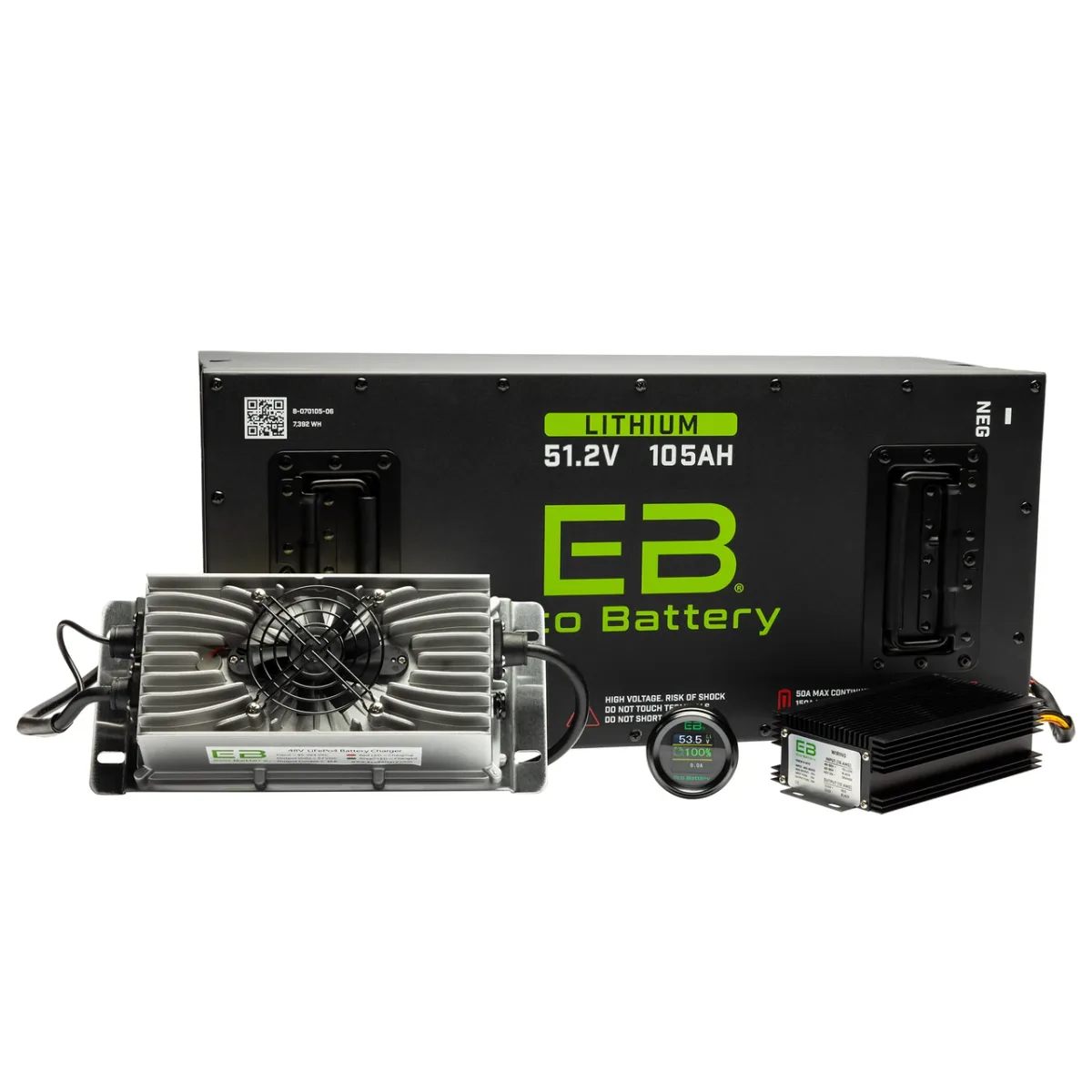
Situation
You specify 48 V LiFePO4 packs for two distinct application families: Energy Storage (ESS) — home ESS platforms, commercial backup, solar self-consumption — where inverter protocol mapping, 95% DoD usable capacity, and parallel SOC synchronization dominate; and High-Power Motive — 48V golf cart platforms, forklift, marine electric propulsion, EV conversion kits — where controller-aligned BMS, peak-current tolerance, and fast-charge acceptance decide uptime. Both need validated parallel scaling, factory-tested communication protocols, and batch-to-batch consistency.
The Challenge
Most suppliers pigeonhole 48V as 'home ESS only' and sell inverter-mapped BMS for everything. Motive applications with ESS-tuned BMS cut out on forklift peak draw or golf cart acceleration. ESS applications with motive-tuned BMS drift on inverter float voltage, causing SOC drift and silent shutdowns. Packs without validated parallel behavior force early balancing losses and uneven aging — both surface after installation, at your cost.
How do you qualify a 48 V LiFePO4 platform that serves BOTH ESS and high-power motive duty — with the right BMS profile, protocol mapping, and parallel scaling for each — without qualifying two different suppliers?
Our Answer
SSL 48 V packs are a single voltage platform with two factory-validated BMS profiles: ESS Profile (inverter-mapped CAN/RS485, 95% DoD, parallel SOC synchronization, calendar-life cells) and Motive Profile (controller-aligned CAN, peak-current tolerant, fast-charge rated, high-discharge cells). Both share traceable Grade A cells, validated parallel operation with SOC sync, factory-tested protocol mappings, and per-batch test docs. Poland Local Warehouse supports 3–7 Days DDP for EU programs. You qualify the platform once; we tune the profile to your duty cycle.
Verified Cell Sourcing
Every SSL 48 V pack is built with traceable Grade A LiFePO4 cells from established manufacturers. Cell acceptance testing at incoming inspection and pack-level formation matching ensure capacity and impedance consistency across every unit — the prerequisite for clean parallel operation.
Dual BMS Profiles: ESS vs Motive
Before sampling, we map CAN/RS485 communication to your inverter/EMS brand or controller. ESS Profile: protocol mapping for Victron, Growatt, Deye, GoodWe, SMA, Solis, Huawei, Schneider Electric; charge/discharge control handshake; parallel configuration with SOC synchronization. Motive Profile: controller-aligned CAN, overcurrent thresholds for surge events, fast-charge limits for opportunity charging. Both share validated parallel behavior and low-temp charge protection.
European Delivery & Compliance
For European B2B buyers, Poland Local Warehouse planning supports 3–7 Days DDP replenishment for qualified fleet and ESS programs. Compliance documentation — CE, UN38.3, MSDS — is aligned during technical review, not rushed at shipping.
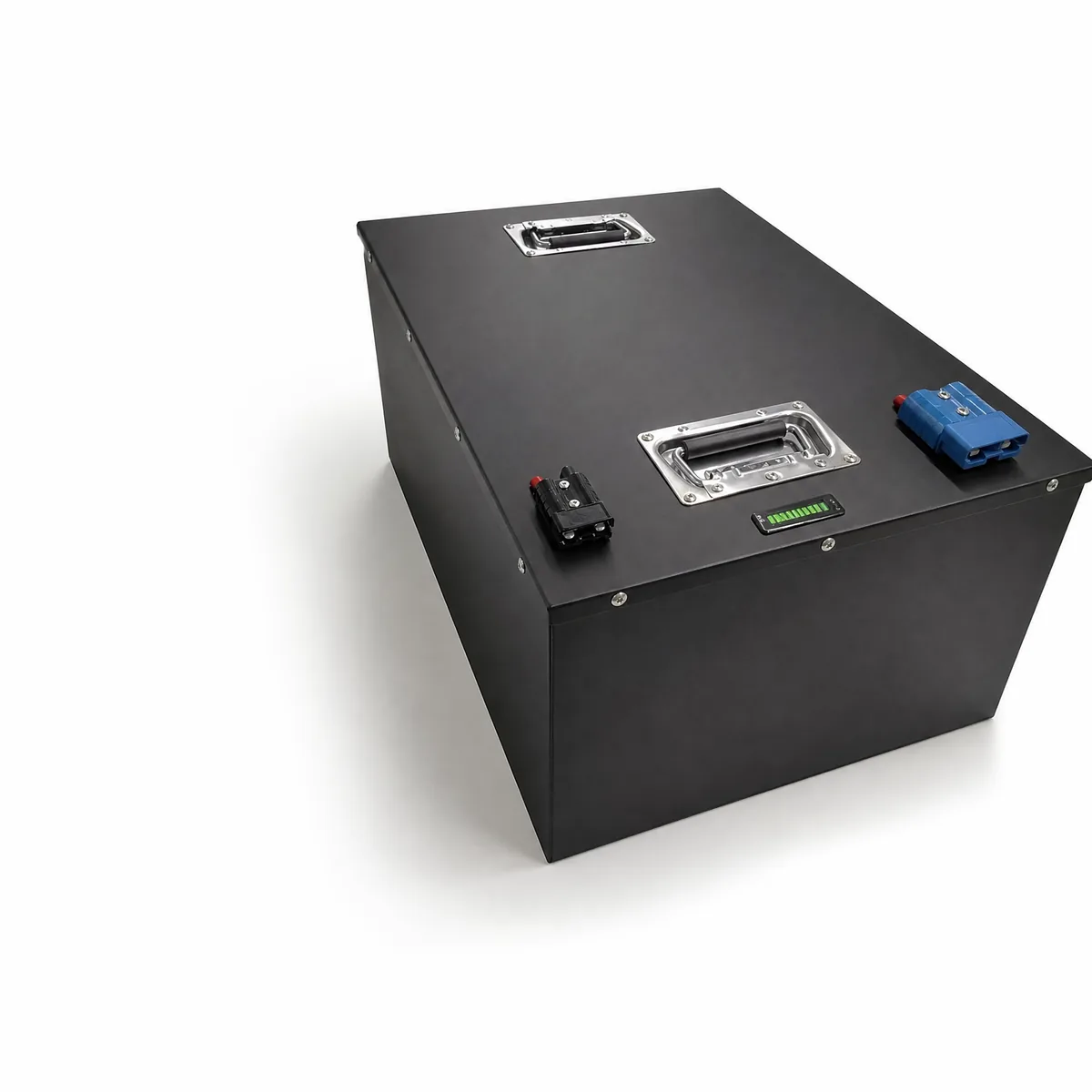
SSL 48 V LiFePO4 battery packs target B2B applications that demand scalable capacity, communication-grade protocols, and long lifecycle economics. Voltage is the platform — BMS profile and cell selection adapt to your duty cycle. We optimize the design for real-world constraints: protocol handshake with your inverter/controller fleet, parallel SOC synchronization, thermal behavior under load, and installation mechanics — for both ESS and high-power motive applications.
Where It Fits Best
| Application Type | Typical Use Cases | Why 48V Fits |
|---|---|---|
| Energy Storage (ESS) | Home ESS, solar self-consumption, C&I backup | Factory-mapped CAN/RS485 handshakes with leading inverters; 95% DoD maximizes usable capacity; parallel SOC synchronization scales with facility |
| High-Power Motive | 48V golf cart, forklift, marine electric, EV conversion | Controller-aligned BMS logic; peak-current tolerance; fast-charge profiles; validated parallel for multi-pack vehicle systems |
| Home ESS & Solar (ESS) | Residential solar self-consumption, backup, time-of-use | Inverter-ready packs with 95% DoD for maximum usable capacity per installed euro |
| Commercial & Industrial ESS (ESS) | Peak shaving, demand charge reduction, containerized MWh | Parallel-scalable from 100 Ah to 1000+ Ah with SOC sync; capacity grows with facility |
| OEM EV & Utility Fleets (Motive) | 48V golf fleets, forklift, marine, EV conversion | Stable voltage under repeated duty cycles; controller-aligned BMS qualifies once and repeats across programs |
BMS Profile Selection: ESS vs Motive
| Parameter | ESS Profile (Inverter-Mapped) | Motive Profile (Controller-Aligned) |
|---|---|---|
| Primary Goal | Inverter protocol handshake, 95% DoD, parallel SOC sync | Controller communication, surge tolerance, fast charge |
| Protocol Mapping | Victron, Growatt, Deye, GoodWe, SMA, Solis, Huawei, Schneider | CAN to motor controller (OEM-specific) |
| Parallel Behavior | Validated SOC synchronization across racks | Validated SOC sync across vehicle multi-pack |
| Overcurrent Threshold | Matches inverter surge events | Higher, surge-rated for peak draw/acceleration |
| Fast-Charge Limits | Standard charge rates per inverter | Elevated, validated for opportunity charging |
| Cell Selection | Calendar-life optimized, 95% DoD | High-discharge rate optimized, cyclic duty |
| Thermal Safeguards | Controlled derating for sustained load | Dynamic derating for transient peaks |
| Typical Applications | Home ESS, C&I backup, solar self-consumption | 48V golf, forklift, marine electric, EV conversion |
Voltage Comparison: ESS vs Motive by Platform
| Parameter | 12V | 24V | 36V | 48V (This Page) | Custom |
|---|---|---|---|---|---|
| Nominal Voltage | 12.8 V | 25.6 V | 38.4 V | 51.2 V | 6–72 V+ |
| Power Range | <3 kW | 3–5 kW | 3–5 kW | 5–15 kW | Any |
| ESS Typical Use | Solar backup, telecom, security, UPS | Telecom backup, solar storage, C&I | Marine hybrid, 36V DC backup, off-grid | Home ESS, C&I, solar self-consumption | Grid-scale, container ESS, HV backup |
| Motive Typical Use | AGV/AMR, robotics, marine, portable | Forklift, AGV, floor scrubbers | Golf cart, LSEV, sightseeing boat | 48V golf, forklift, marine, EV conversion | Heavy EV, bus, mining, locomotive |
| EU Stock | Poland Warehouse | Poland Warehouse | Poland Warehouse | Poland Warehouse | Made to order |
Engineering Fit Check
Inputs we validate
| Input | Why it matters |
|---|---|
| Inverter/EMS brand, model, firmware (ESS) OR controller model (Motive) | Confirms CAN/RS485 protocol mapping and charge-control handshake before samples ship. |
| Application type: ESS (inverter/solar) or Motive (traction) | Selects correct BMS profile, protocol mapping, and cell grade. |
| Target capacity and parallel configuration | Validates parallel count, SOC synchronization, and cabling/current plan. |
| Duty cycle, charge windows, and ambient temperature | Sizes protection logic and derating around real load and climate profiles. |
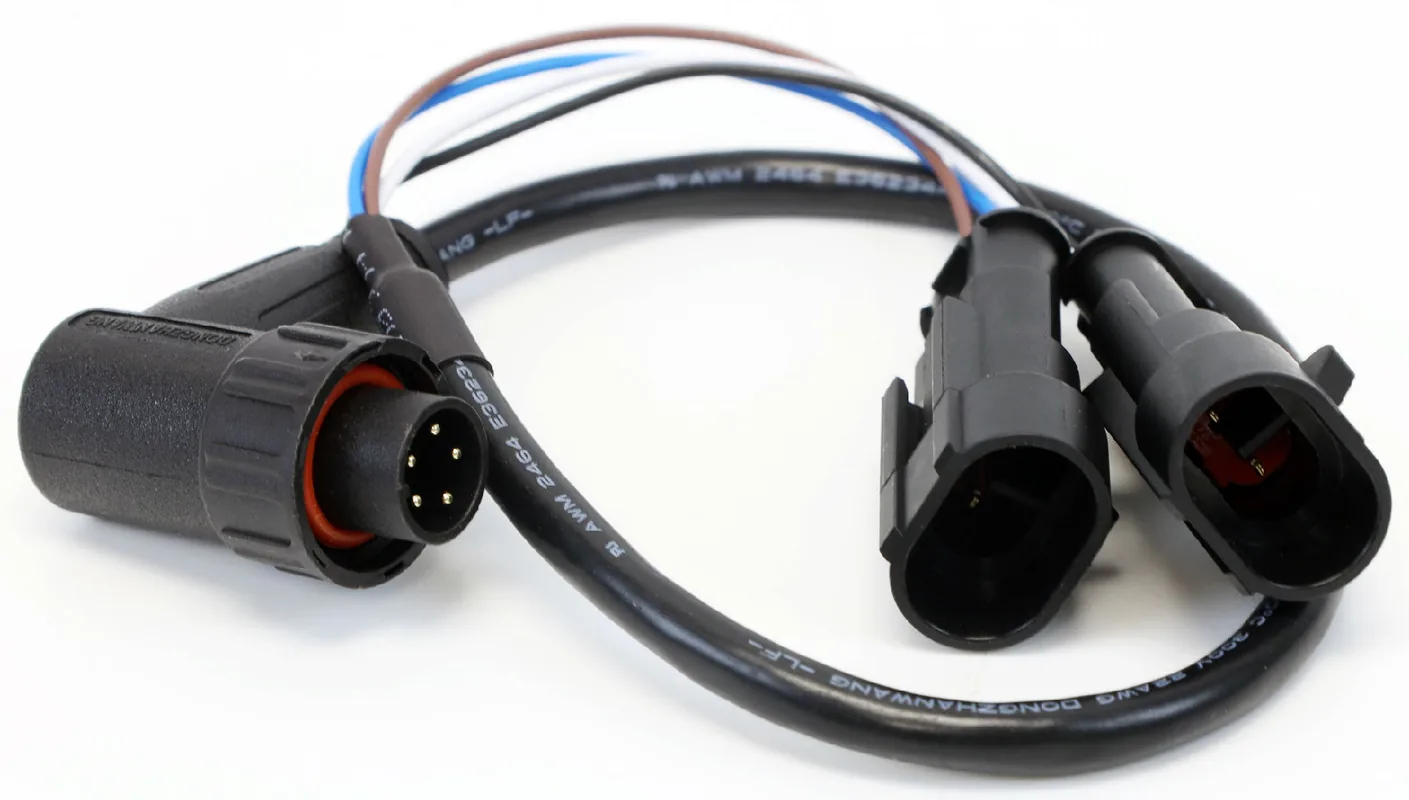
| Enclosure and connector constraints | Prevents installation rework and voltage drop at high current. |
BMS logic we tune
| BMS item | Engineering purpose |
|---|---|
| Protocol mapping (CAN/RS485) per inverter brand | Clean SOC reporting and charge control — no drift, no silent faults. |
| Overcurrent thresholds and response timing | Matches inverter surge and fleet transient events without unnecessary trips. |
| Thermal safeguards with controlled derating | Protects cycle life during sustained heavy load and high ambient temperatures. |
| Low-temperature charge protection | Prevents cold-charge damage in unheated installations. |
Compliance and EU Delivery
We align documentation for UN38.3 / CE / MSDS (as applicable), labeling, and logistics readiness.
For European customers, Poland Local Warehouse planning supports 3–7 Days DDP replenishment for recurring demand.
Frequently Asked Questions - 48 V LiFePO4 Battery Packs
How many 48 V packs can I connect in parallel?
Our architecture scales from single units to 1000+ Ah systems with validated parallel behavior and SOC synchronization across packs — for both ESS racks and motive multi-pack systems. Share your target capacity and inverter/controller brand and we confirm the maximum parallel count and cabling plan for your configuration.
Which inverters and EMS platforms do the packs integrate with?
We maintain factory-tested CAN/RS485 protocol mappings for leading inverter brands including Victron, Growatt, Deye, GoodWe, SMA, Solis, Huawei, and Schneider Electric. For motive applications, we map CAN to your motor controller. Share your model and firmware to validate the handshake before sampling.
What applications are 48 V LiFePO4 battery packs suitable for?
48 V LiFePO4 packs serve BOTH energy storage (home ESS, commercial/industrial backup, solar self-consumption) AND high-power motive (48V golf cart, forklift, marine electric, EV conversion kits). The voltage platform is identical — we tune BMS profile (ESS vs Motive), protocol mapping, and cell selection to your duty cycle.
What is the difference between LiFePO4 and lead-acid?
LiFePO4 offers 5x longer cycle life (6000+ vs 1200 cycles), 60% weight reduction, stable voltage under load, and faster charging compared to lead-acid, with no maintenance required.
What is the delivery time for 48 V packs to EU countries?
Poland Local Warehouse supports 3–7 Days DDP replenishment for qualified recurring programs. Standard lead time is 2–3 weeks for new programs.
What certifications do your 48 V packs carry?
Standard documentation includes CE, UN38.3, and MSDS. Additional certifications can be aligned during technical review.
48 V vs other voltages - how to choose?
48 V (51.2 V nominal) suits higher power (5–15 kW) for both ESS (home ESS, C&I, solar) and motive (48V golf, forklift, marine, EV conversion). 24 V suits mid-power (3–5 kW) telecom/solar ESS and material handling. 36 V suits traction (golf, LSEV, boat). 12 V suits compact systems under 3 kW. Choose by power range and duty cycle — not by application label.