Situation
Your engineering team is evaluating 314Ah prismatic LiFePO4 cells (MB31) to upgrade existing ESS racks with higher capacity without redesigning enclosures. You need drop-in compatibility, consistent electrical performance, and a supply partner who delivers traceable Grade A cells with full certification documentation.
The Challenge
Without validated cell sourcing, capacity upgrade programs risk mechanical fit issues, electrical mismatch between old and new cells, and certification delays. Sourcing from suppliers with inconsistent grading means your team spends time qualifying form-factor changes instead of deploying higher-density storage –delaying the ROI improvement that the capacity uplift promised.
How do you select a reliable 314Ah LiFePO4 cell supplier for OEM ESS upgrades that ensures drop-in compatibility, European delivery, and engineering support?
Our Answer
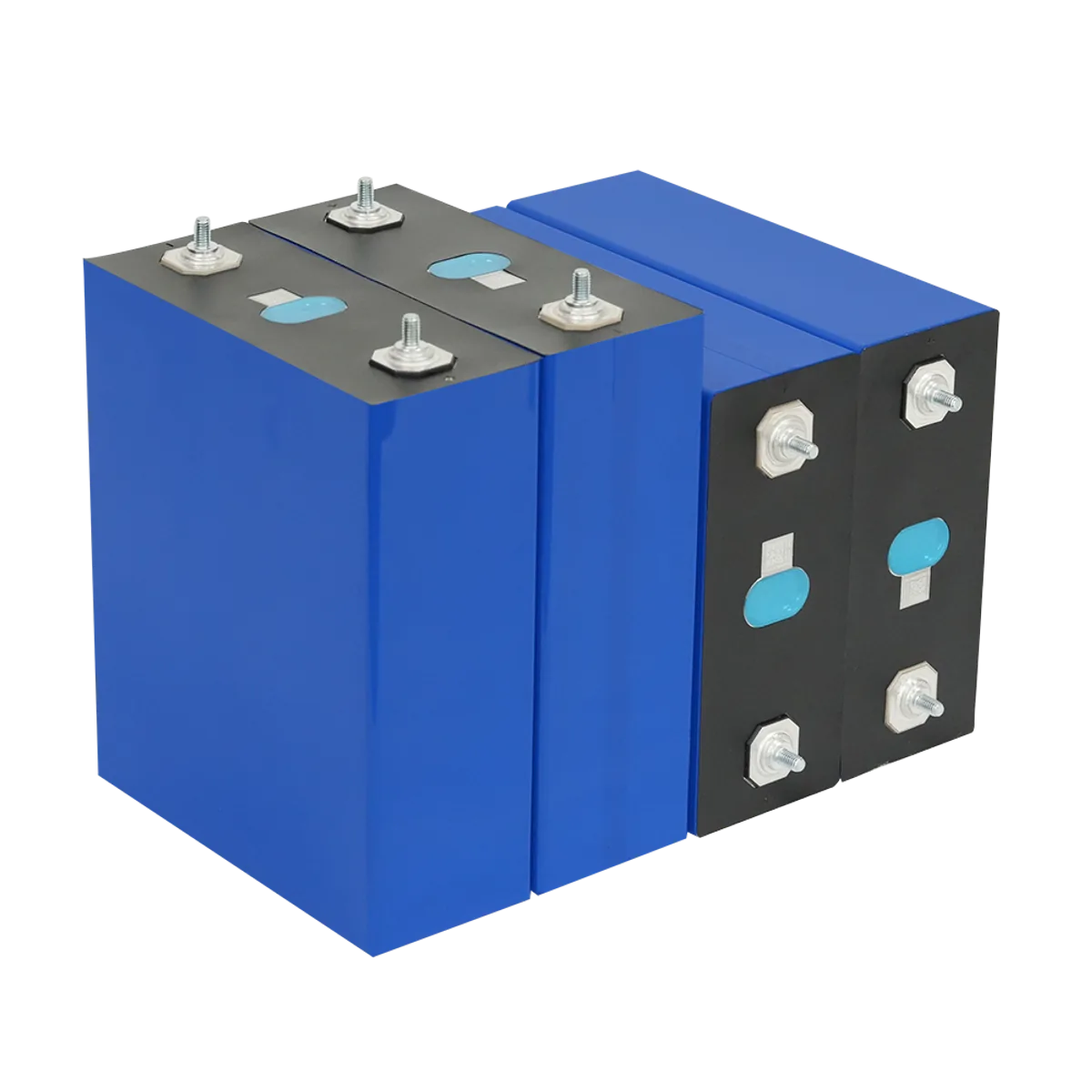
SSL 314Ah Next-Gen cells (MB31) deliver a 12% capacity uplift in the identical 173.7×71.7×207.2 mm form factor –drop-in retrofit for existing ESS racks without enclosure redesign. Grade A cell sourcing with full traceability, factory-level capacity matching, and comprehensive test documentation ensure your team qualifies a cell once and scales across projects. Poland Local Warehouse supports EU delivery with compliance documentation aligned before sampling.
Drop-In Form Factor
MB31 cells maintain the exact 173.7×71.7×207.2 mm dimensions of 280Ah cells, enabling direct retrofit into existing ESS racks without mechanical redesign. This simplifies qualification and accelerates deployment.
Grade A Cell Traceability
Every MB31 cell is sourced with full lot traceability. Incoming inspection, capacity binning, and ACIR testing ensure consistent performance across every unit –eliminating batch variation.
European Logistics & Support
Poland Local Warehouse supports EU delivery with compliance docs (CE, UN38.3, MSDS) aligned during technical review –turning cell sourcing into a repeatable procurement process.
Where It Fits Best
| Application | Why it fits |
|---|---|
| ESS rack capacity upgrades | 12% uplift in the identical 173.7×71.7×207.2 mm form factor, no redesign. |
| Containerized utility storage | 8000+ cycles and tight ACIR support high-throughput daily cycling. |
| OEM pack programs scaling volume | Repeatable electrical behavior simplifies qualification across batches. |
Engineering Integration Notes
Mechanical compatibility
| Mechanical factor | Operational effect |
|---|---|
| 173.7×71.7×207.2 mm drop-in footprint | Retrofits existing racks and busbar layouts unchanged. |
| ~5.6 kg cell weight | Handling and fixture loads match current 280Ah tooling. |
| Terminal geometry parity | Existing busbars, straps, and torque specs carry over. |
Electrical considerations
| Validation item | Why it matters |
|---|---|
| ACIR ≤0.25 mΩ and capacity binning | Parallel strings stay balanced under load. |
| 0.5P continuous discharge (157 A) | Matches current ESS duty cycles without derating. |
| BMS parameter alignment to inverter/EMS | Reduces nuisance trips in retrofit deployments. |
Compliance and EU Delivery
Documentation readiness supports UN38.3 / CE / MSDS workflows (as applicable). For European partners, Poland Local Warehouse planning can support 3–7 Days DDP replenishment when demand is predictable.
FAQ
What certifications are included with MB31 cells?
CE, UN38.3, and MSDS documentation is included. Additional regional requirements can be aligned during technical confirmation.
Can MB31 cells retrofit existing 280Ah racks?
Yes. MB31 maintains the identical 173.7×71.7×207.2 mm form factor, enabling drop-in retrofit without enclosure or busbar redesign.
What is the MOQ and lead time for OEM programs?
MOQ starts at 200 cells with 2-3 week lead time including capacity matching. Poland Local Warehouse supports 3-7 Days DDP for qualified EU programs.
How is cell matching handled for parallel strings?
Factory-level capacity binning and ACIR testing ensure consistent performance across cells wired in parallel strings.