Situation
Your C&I storage project needs maximum pack energy within a fixed enclosure, while retaining the mechanical and electrical interface your team already qualified. Every additional kWh per rack reduces BOS cost and floor-space requirements, but changing cell format forces expensive re-qualification.
The Challenge
Most high-capacity cells either change the mechanical footprint, complicate the electrical interface, or carry certification gaps for EU C&I deployments. Re-qualifying a new cell format adds months of testing and engineering cost, directly eroding project margins and time-to-market.
How do you add more energy per rack without re-qualifying your qualified pack architecture?
Our Answer
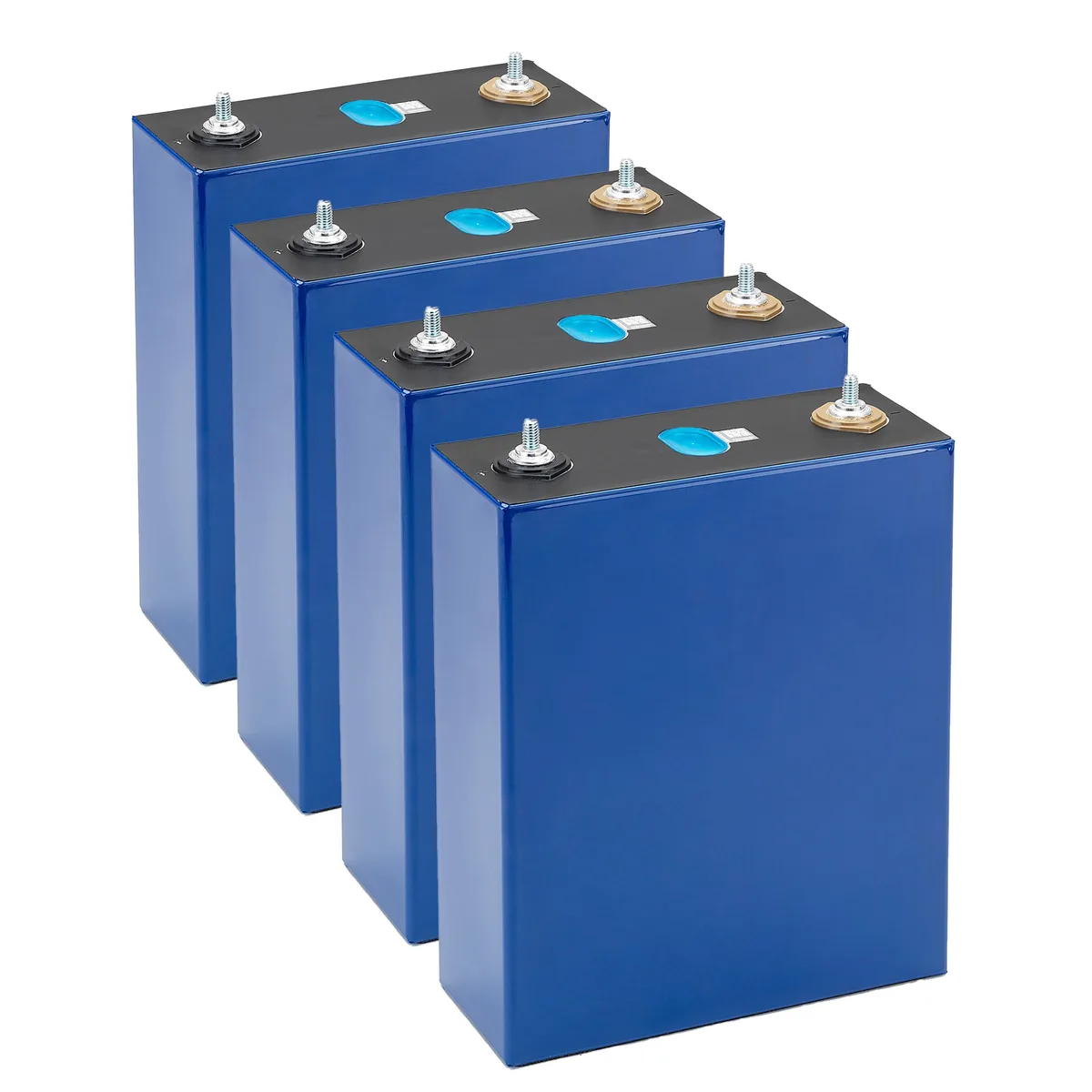
The SSL LFP304 delivers ~9% more energy than the 280Ah class in the same mechanical footprint, with IEC62619 certification and 0.5P continuous discharge — so you scale pack density while keeping your qualified busbars, fixtures, and BMS settings intact.
Drop-in 280Ah Compatibility
The LFP304 keeps the 280Ah mechanical footprint and terminal layout. Qualified busbars, straps, and fixtures carry over — only the capacity label changes.
IEC62619 Certified
Certification covers industrial battery safety requirements for C&I deployments, aligned with EU market expectations before you splice a single cell into a pack.
More Energy per Rack
At the same cell count, LFP304 packs hold roughly 9% more energy than 280Ah packs, reducing cost per kWh and floor-space footprint in C&I storage projects.
Where It Fits Best
| Application | Why it fits |
|---|---|
| C&I storage | More energy per rack cuts cost per kWh and floor space. |
| OEM pack upgrades | Drop-in 280Ah footprint upgrades pack capacity without redesign. |
| Solar plus storage | IEC62619 certified cells for grid-tied C&I deployments. |
Engineering Integration Notes
Mechanical compatibility
| Mechanical factor | Operational effect |
|---|---|
| 173.7×71.7×207.2 mm footprint | Identical to 280Ah class — fixtures and rack tooling carry over. |
| ~5.4 kg cell weight | No handling or fixture-load changes from the 280Ah baseline. |
| Terminal geometry parity | Busbars, straps, and torque specs stay valid. |
Electrical considerations
| Validation item | Why it matters |
|---|---|
| 0.5P continuous discharge (152 A) | Higher per-cell current than 280Ah class — confirm BMS limits. |
| ACIR ≤0.25 mΩ and capacity binning | Parallel strings stay balanced under higher cell current. |
| BMS parameter counters to inverter/EMS | Capacity and SOC gains need re-mapping in the EMS layer. |
Quality & EU Documentation
IEC62619 certified. CE, UN38.3, and MSDS documentation included. Full lot traceability and batch test reports shipped with every order.
FAQ
Is the LFP304 compatible with existing 280Ah pack designs?
Yes — the LFP304 keeps the 280Ah mechanical footprint and terminal layout, so busbars, fixtures, and BMS settings carry over with minimal re-qualification.
What certifications does the LFP304 carry?
The LFP304 is IEC62619 certified for industrial battery safety, and CE, UN38.3, and MSDS documentation is included with every order.
How much more energy does the LFP304 deliver per rack?
At the same cell count, LFP304 packs hold roughly 9% more energy than 280Ah packs, reducing cost per kWh and floor-space footprint.
What is the MOQ and lead time for LFP304 cells?
MOQ starts at 200 cells with 2-3 week lead time including capacity matching. Poland local warehouse supports 3-7 Days DDP for qualified EU programs.